Bald Eagle February Update
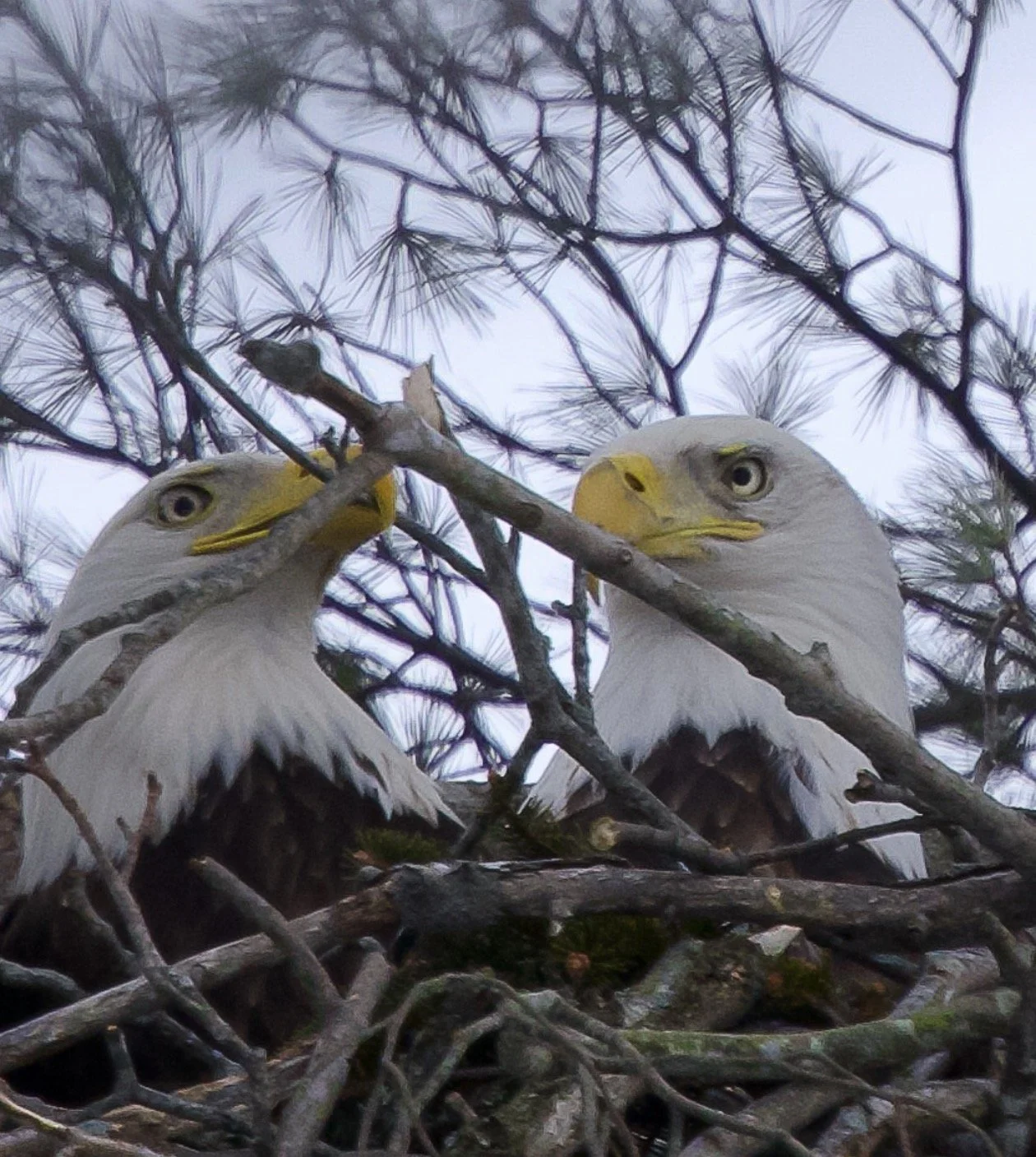
At this time, eagle pairs are incubating eggs or getting ready to. Normally, when you see only one adult away from a nesting area this time of the year, its mate is likely sitting on the clutch off eggs.
(In case you have not seen the articles on the importance of giving eagles space during this sensitive time, you can find the articles on our News page.)
However, this is a concerning time. There are several outbreaks of Highly Pathogenic Avian Influenza (HPAI) on the North Fork. Please refer to our Avian Flu page to know what to do if you spot a sick or deceased waterfowl or raptor. The virus may be transmitted to eagles feeding on deceased waterfowl. Please keep an eye out for eagles at this time. You can report your sightings to the community science page below.
NORTH FORK BALD EAGLES
-
BALD EAGLE IDENTIFICATION
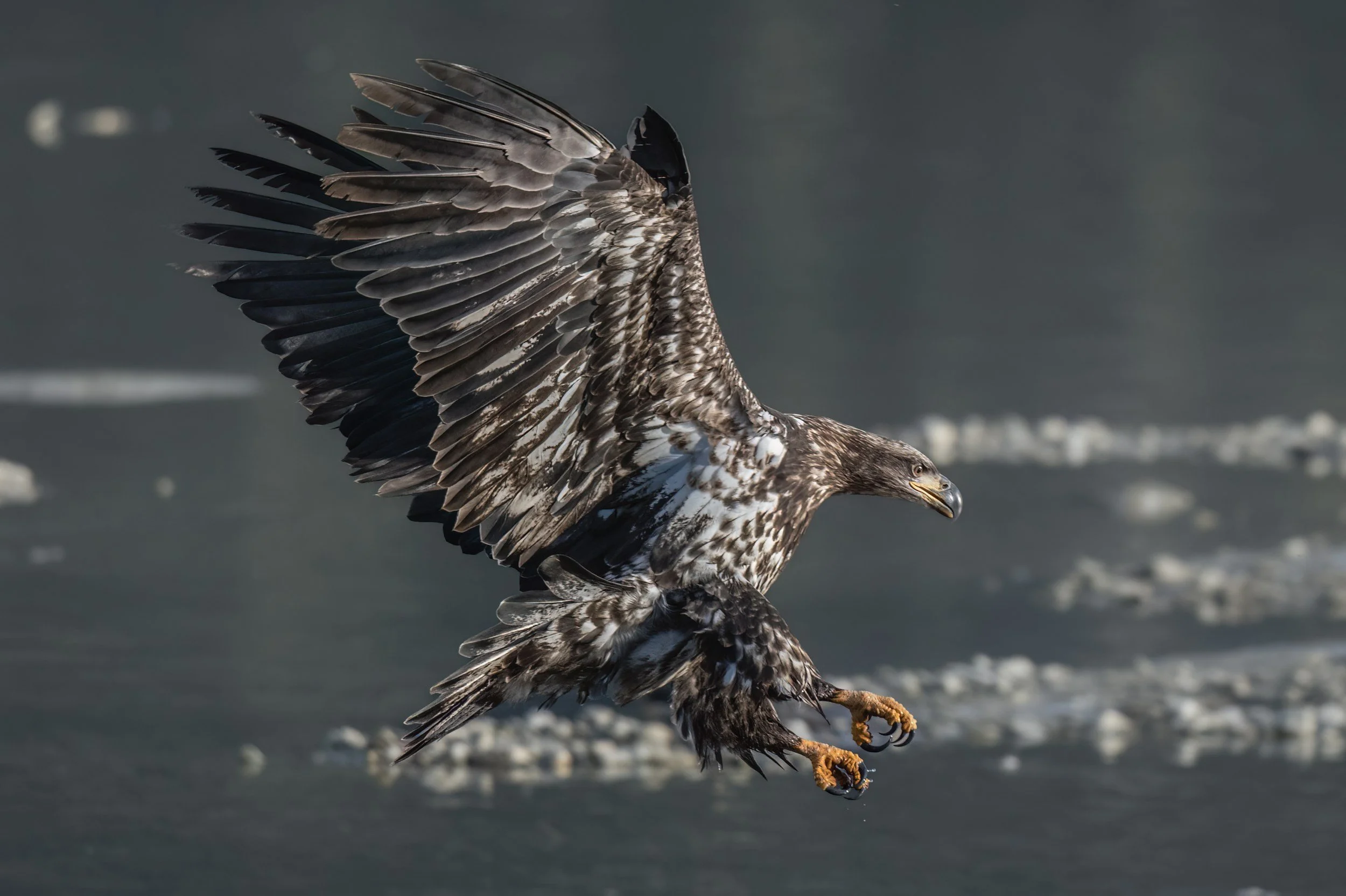
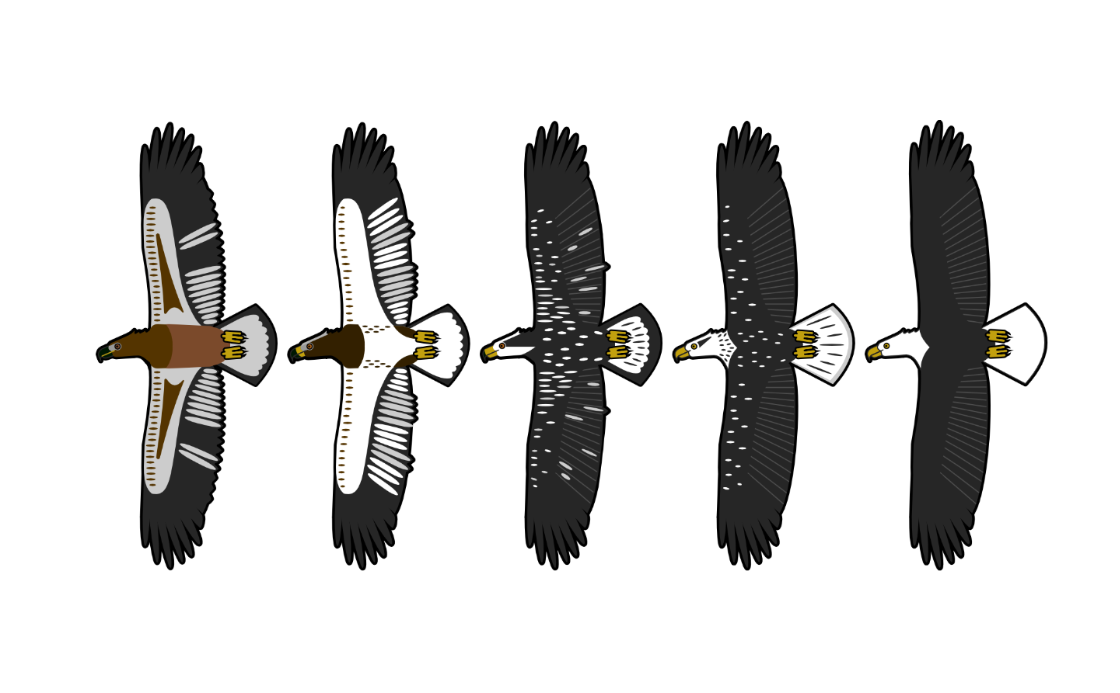
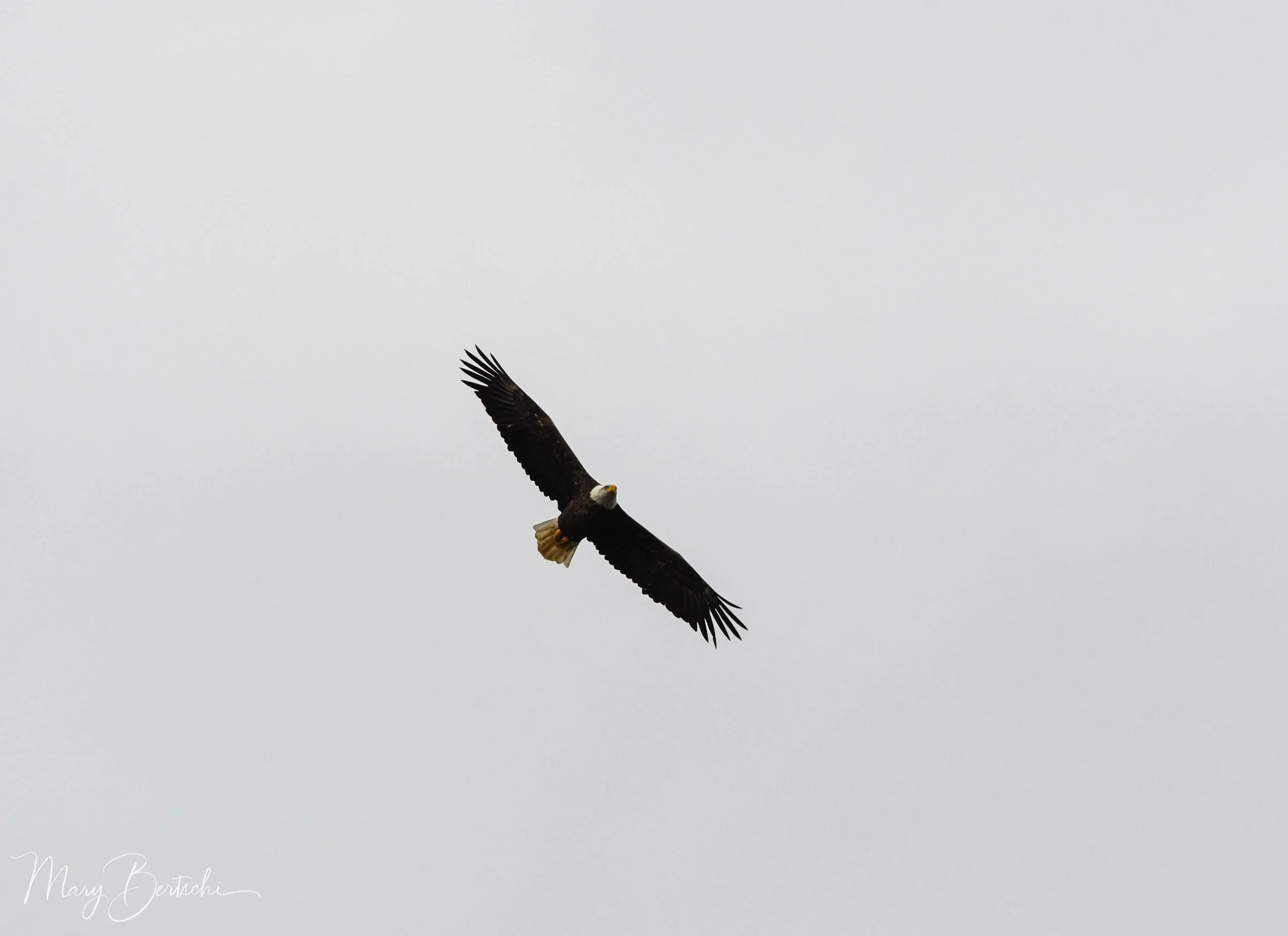
It takes a Bald Eagle five years to reach its adult (definitive) plumage, the iconic white head and tail. Explore our Bald Eagle identification guide to learn more about the different plumages and eagle look-alikes.
-
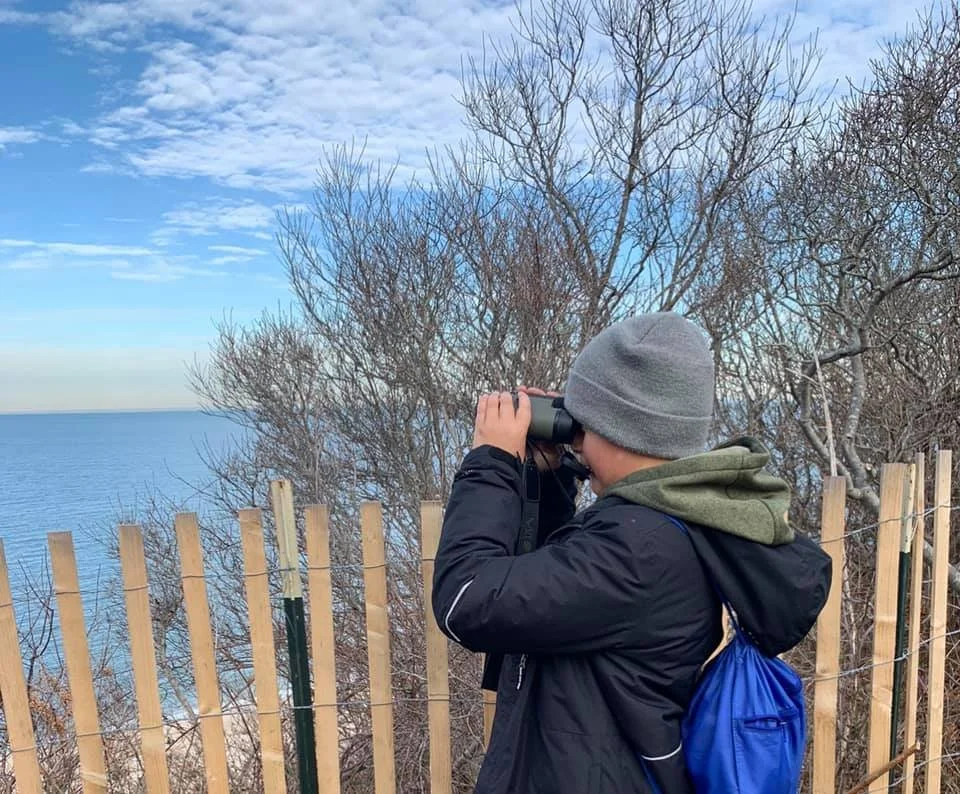
EAGLE VIEWING GUIDELINES
Bald Eagles are a protected species that require space! When viewing eagles, please use binoculars or spotting scopes from a quarter mile away. Learn more about USFWS guidelines and viewing etiquette.
-
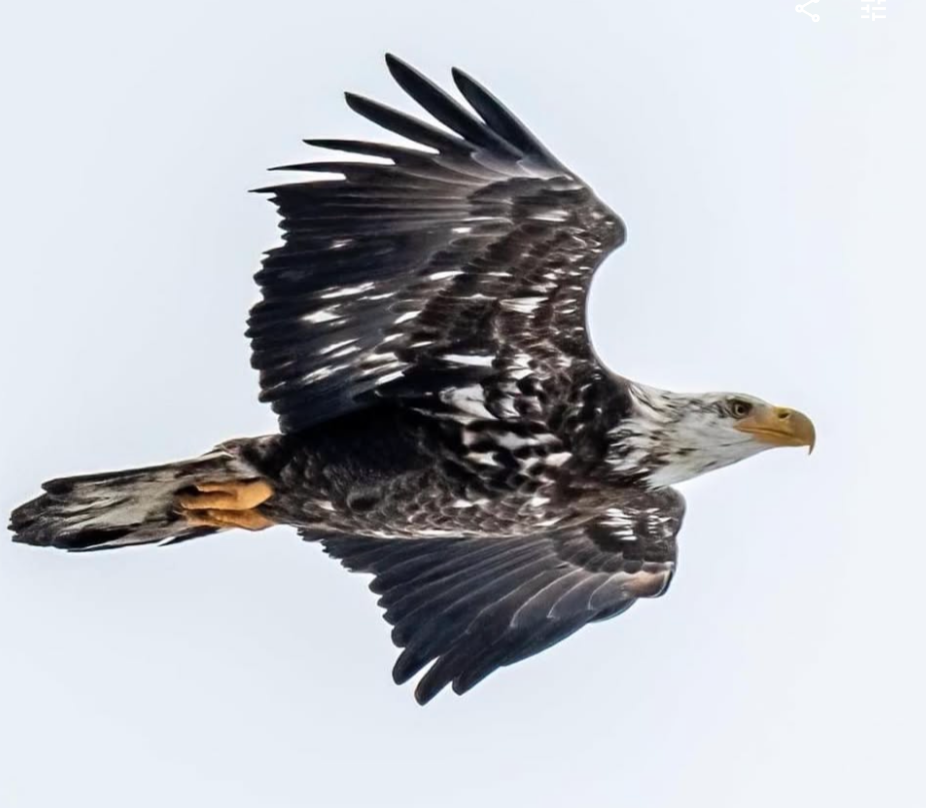
REPORT YOUR SIGHTING
Participate in a year-round community science initiative to help document and protect our local Bald Eagle population. Your submitted sightings help us track eagle pairs and territories.
Help protect our
North Fork Bald Eagles.
Donate today to help us document and protect the growing North Fork Bald Eagle population. Your contribution supports our research, monitoring, outreach, and protection. We work with the USFWS, DEC, landowners, Town Trustees, and planning departments to assist with informed decision making.